
You can see it from the ridge above McKenzie Lake: a clean band of cloud arching over the Rockies, and the temperature about to jump 15 degrees in an afternoon. Calgarians love chinooks in January. Calgarians who get chinook headaches do not. If you’re one of the many people in SE Calgary who can feel a chinook coming in your head before the forecast says so, this article is for you.
What Makes Chinook Headaches Different
A chinook brings a rapid drop in barometric pressure, a sharp rise in temperature and very dry air, often within hours. Researchers at the University of Calgary have studied the link between chinooks and migraines for decades, and while the exact mechanism is still debated, many people are clearly sensitive to the swing. The leading explanations involve the pressure change affecting blood vessels and fluid balance around the brain and sinuses, and the dry, warm wind promoting dehydration and disrupted sleep — both well-known headache triggers on their own.
Chinook headaches tend to arrive the day before or the day the wind hits, often feel like pressure behind the eyes or across the forehead, and can last until the weather settles.
Why Your Neck Plays a Role
Here’s the part people don’t expect: the weather sets the trigger, but your neck often sets the threshold. The joints and muscles at the top of the neck share nerve connections with the head and face. When the upper neck is stiff or irritated — from desk work, tech neck, an old whiplash injury or simply tension — the nervous system becomes more sensitive, and a pressure change that another person shrugs off becomes a full headache for you. This is why many of our patients notice their chinook headaches improve when their neck is moving well.
How Chiropractic Care May Help
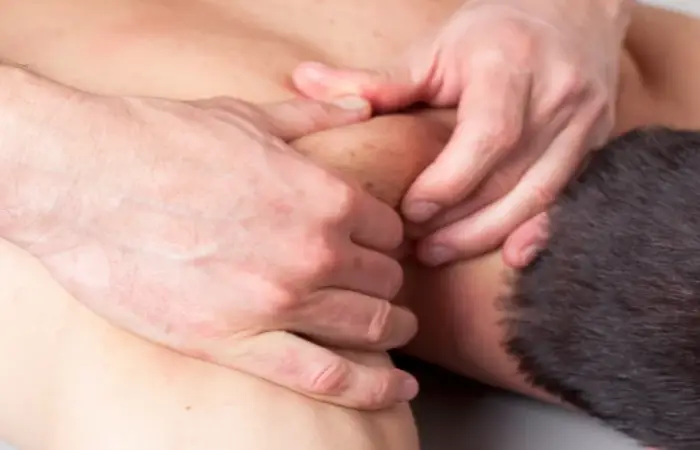
At McKenzie Lake Chiropractic, Dr. Greg Driedger assesses how the joints of the upper neck are moving and whether the surrounding muscles are guarding. Gentle chiropractic adjustments aim to restore that movement, and our registered massage therapists work on the suboccipital muscles at the base of the skull, the upper trapezius and the jaw — areas that commonly feed into headaches and migraines. Where headaches involve the jaw and face, our RMTs include targeted work on those muscles as well. Many patients find their headaches become less frequent and less intense with care, even though we can’t change the weather.
What You Can Do at Home When the Arch Appears
Hydrate early. Start drinking water the day before the chinook, not once the headache begins. Dry chinook air pulls moisture from you fast.
Keep caffeine and sleep steady. Both swing headache thresholds; consistency helps.
Gentle neck mobility. Slow chin tucks and shoulder rolls every hour or two keep the upper neck from stiffening as the pressure shifts.
Warm the neck, cool the head. A warm pack across the shoulders and a cool cloth on the forehead is a simple combination many people find soothing.
Track it. Note the date, the weather and what you ate and did. Patterns often appear within a few chinooks and make treatment more targeted.
When a Headache Needs Medical Attention
Most chinook headaches are unpleasant but not dangerous. Seek urgent care for a sudden, severe “worst headache of your life,” a headache with fever and stiff neck, one that follows a head injury, or one accompanied by confusion, weakness, vision loss or difficulty speaking.
Frequently Asked Questions
Claim Your $49 New Patient Visit
Book online now — family-run care in McKenzie Lake, with free parking and direct billing.
Also available: 10% off your first massage — Registered Massage Therapists, direct insurance billing.
Visit McKenzie Lake Chiropractic
16764 McKenzie Lake Blvd SE
Calgary, AB T2Z 1W3
| Monday | 9:00 AM – 8:00 PM |
| Tuesday | 8:00 AM – 8:00 PM |
| Wednesday | 8:00 AM – 8:00 PM |
| Thursday | 8:00 AM – 7:30 PM |
| Friday | 8:00 AM – 2:30 PM |
| Saturday | 8:00 AM – 2:30 PM |
| Sunday | 9:00 AM – 8:00 PM |